Although eco-industrial parks are considered an inevitable development path in the context of Vietnam’s net-zero emissions commitment and green growth strategy, the implementation of this model remains very slow. Of nearly 300 industrial parks currently in operation, fewer than 2% have made clear progress toward transformation.
Multiple Barriers Are Slowing the Transition of Industrial Parks
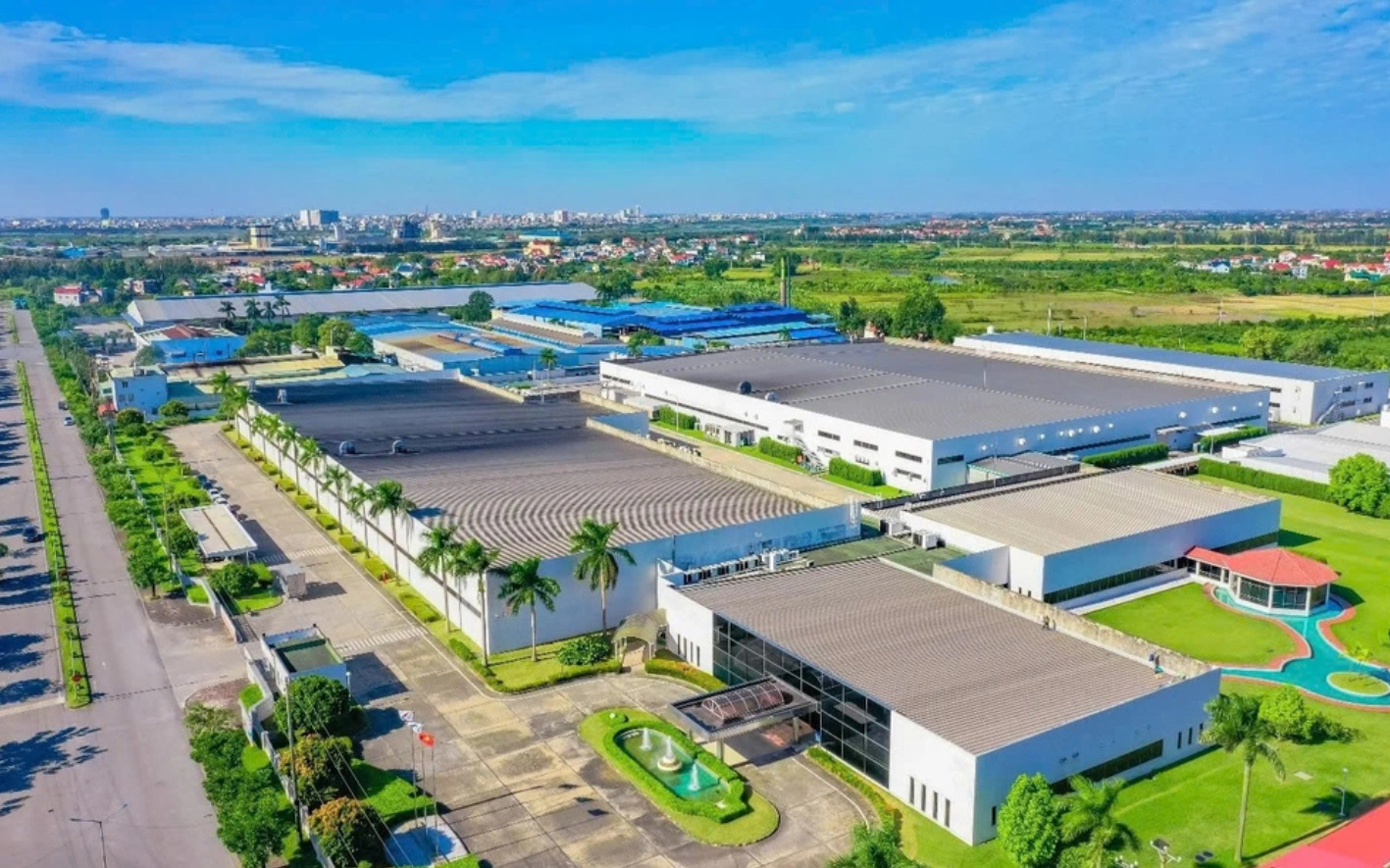
The Fourth Industrial Revolution, the ongoing shift in global supply chains, and geopolitical and economic uncertainties worldwide are creating an urgent need to restructure Vietnam’s industrial park development model. Rather than continuing to expand traditional industrial parks, which still face numerous limitations, the development of green and eco-industrial parks is increasingly being identified as a priority in the new context.
According to data from the Ministry of Planning and Investment, however, as of the end of 2024, Vietnam had 299 industrial parks in operation, yet only around three to five of them had taken clear steps toward transitioning to the eco-industrial park model, representing less than 2% of the total. This figure highlights a significant gap between sustainable development goals and actual implementation, particularly as Vietnam has made strong commitments to achieving net-zero emissions and pursuing its Green Growth Strategy toward 2050.
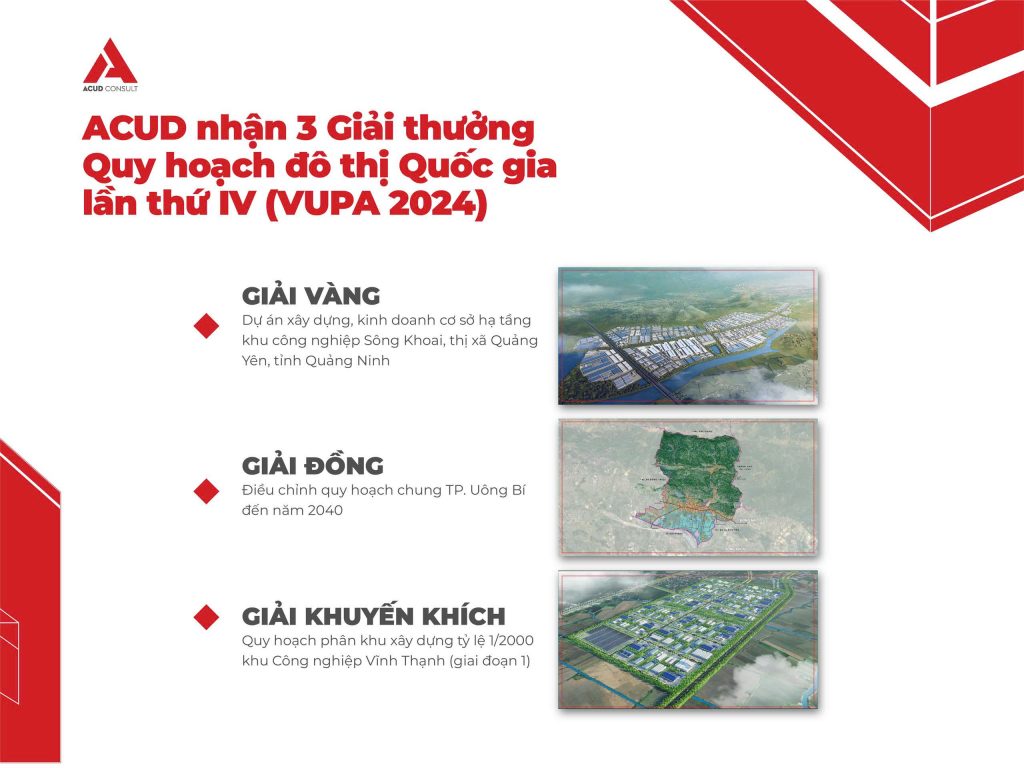
Speaking at the Vietnam Industrial Park Development Forum 2025 on May 29, Mr. Bach Ngoc Tung, Director of ACUD Vietnam Construction Technology Joint Stock Company, stated that the slow progress stems from a combination of factors, including limited awareness among infrastructure developers, concerns over high initial investment costs, a lack of specific technical guidelines, and an implementation-oriented legal framework that has yet to be fully developed.
In addition, limited human resource capacity and ineffective coordination among relevant stakeholders remain major obstacles to the transition from traditional industrial parks to the eco-industrial park model.
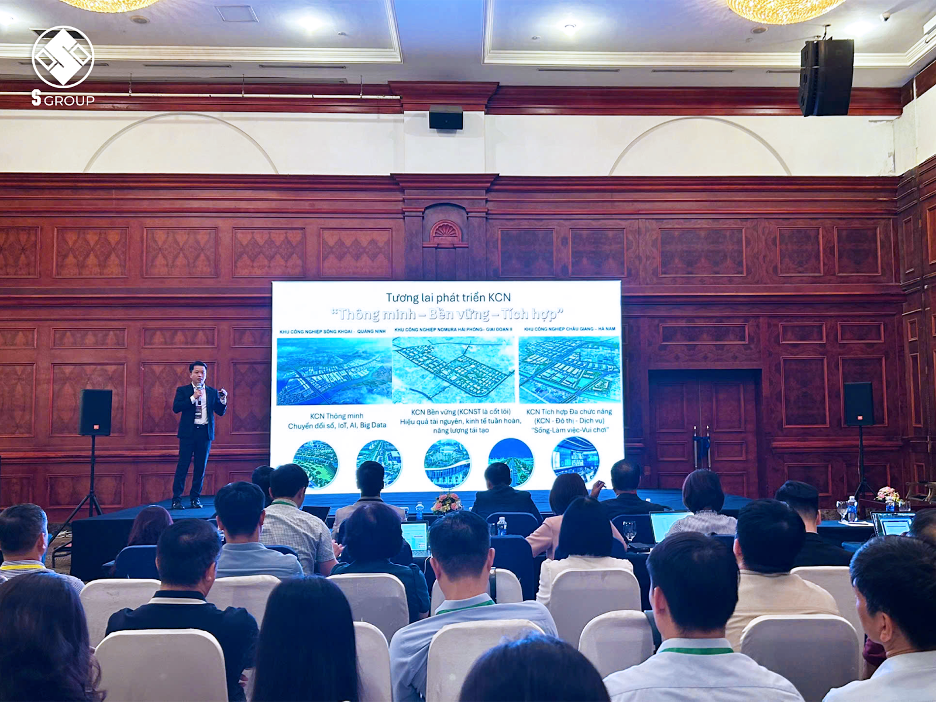
Mr. Bach Ngoc Tung, Director of ACUD Vietnam Construction Technology Joint Stock Company.
Mr. Tung emphasized: “The prerequisite for successfully developing an eco-industrial park lies not in technology, but in the vision and strategic commitment of infrastructure developers. An industrial park should not be viewed merely as a location for factories, but as an integral part of a production–social–environmental ecosystem capable of self-regulation and maintaining balance. Only with this mindset can investors develop the determination and motivation needed to drive meaningful transformation.”
According to Mr. Tung, during the 2025–2035 period, eco-industrial parks—where smart planning, digital technology, and environmental responsibility converge—will become key drivers of Vietnam’s new growth model. “The future of the green economy will be shaped by industrial parks of this kind—places that serve not only as production spaces but also as vital links in the journey toward a circular, sustainable, and environmentally friendly economy,” he said.
Solutions to Accelerate the Transition: From Awareness to Action
To narrow the gap between expectations and actual implementation, experts believe that the transition to the eco-industrial park model needs to be promoted at multiple levels, ranging from macro-level policies and financial mechanisms to fundamental changes in the way businesses approach the transition.
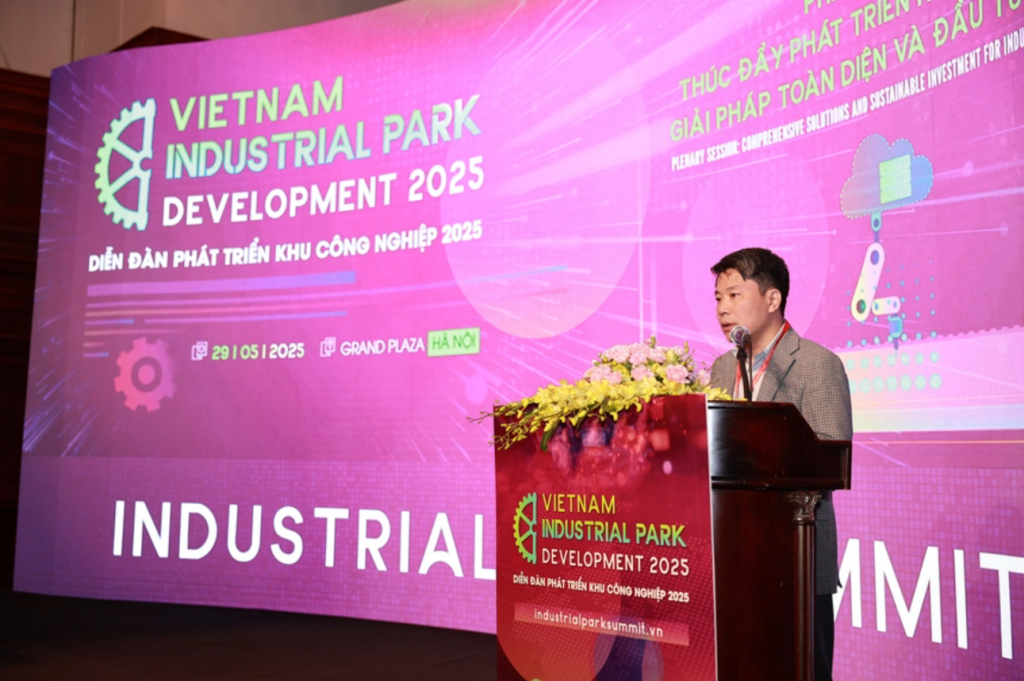
Mr. Pham Thanh Binh, Director of the Northern Investment Promotion, Information and Support Center.
Speaking at the Forum, Mr. Pham Thanh Binh, Director of the Northern Investment Promotion, Information and Support Center, stated that a more comprehensive and clearly defined support mechanism should be established to facilitate the transition. Specifically, clear criteria should be developed for the licensing and operation of eco-industrial parks, along with tax and credit incentives for industrial parks that adopt water circulation systems, waste recycling, and clean energy solutions. “The eco-industrial park model should be encouraged and widely replicated,” he emphasized.
Mr. Bach Ngoc Tung shared this view, noting that although the development orientation for eco-industrial parks has been clearly set out in Decree No. 35/2022/ND-CP and Circular No. 05/2025/TT-BKHDT, many businesses have reported a lack of specific guidance on technical standards and transition procedures. Therefore, one of the most important priorities is to further improve the legal and policy framework.
In addition, according to Mr. Tung, several groups of solutions should be implemented simultaneously to effectively accelerate the development of the eco-industrial park model:
First, capacity and awareness should be strengthened through training programs and workshops for government officials, industrial park management boards, and businesses on eco-industrial park development. Toolkits, technical guidance materials, including those developed by organizations such as UNIDO, and successful models should be widely disseminated to make them more accessible and easier for businesses to adopt.
Second, greater financial and technological support should be provided. This could include exploring the establishment of green development funds or preferential financing programs for eco-industrial park transition projects and investments in clean technologies. Research and development (R&D) and the transfer of advanced technologies in environmental protection, recycling, efficient resource utilization, and cleaner production should also be further promoted.
Third, databases and monitoring systems should be strengthened. In particular, the National Information System on Industrial Parks and Economic Zones should be further improved and operated effectively to ensure that data is comprehensive, accurate, timely, and easily accessible. At the same time, robust monitoring mechanisms should be established to track resource consumption and emissions within industrial parks, with results made publicly available to enhance transparency and accountability.
Fourth, integrated planning and synchronized infrastructure development should be promoted.
“The successful development of eco-industrial parks requires coordinated efforts from the Government, ministries and sectors, local authorities, industrial park infrastructure developers, and the business community. This is a strategic transformation process that will make an important contribution to achieving sustainable development goals while strengthening the position and competitiveness of Vietnam’s economy in the new era,” Mr. Tung stated.
Source: Ha Thuong/Reatimes
*https://reatimes.vn/chuyen-doi-khu-cong-nghiep-sinh-thai-vi-sao-cham-tre-202250529181426933.htm?fbclid=IwY2xjawKuJIlleHRuA2FlbQIxMQBicmlkETF0WGlka2hUQ2lWODlQc2JIAR5h8R-60oVt_82lmmdJSWmpNkOcio5mJRr-X_Ybfaiy6z7Av7yp3k_EhAARvw_aem_qvrXBoXrnzuS9s919W1-vg